The Digital Living Room
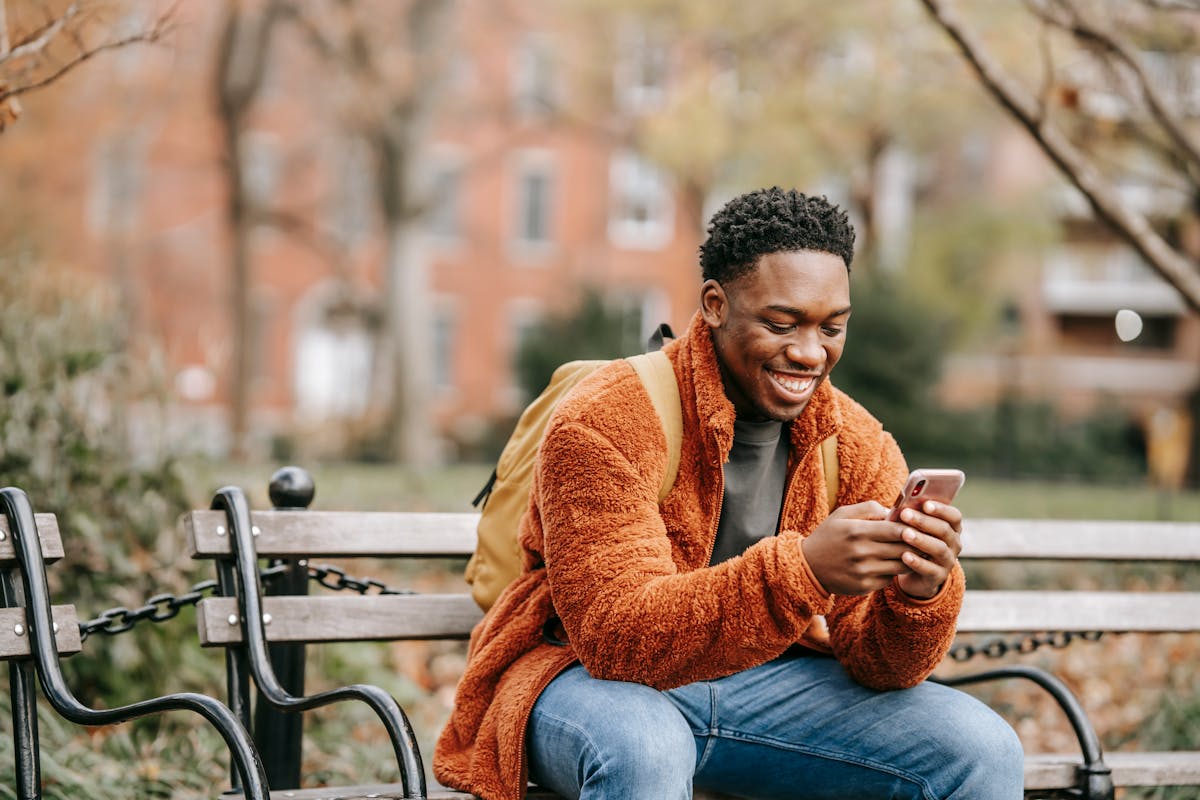
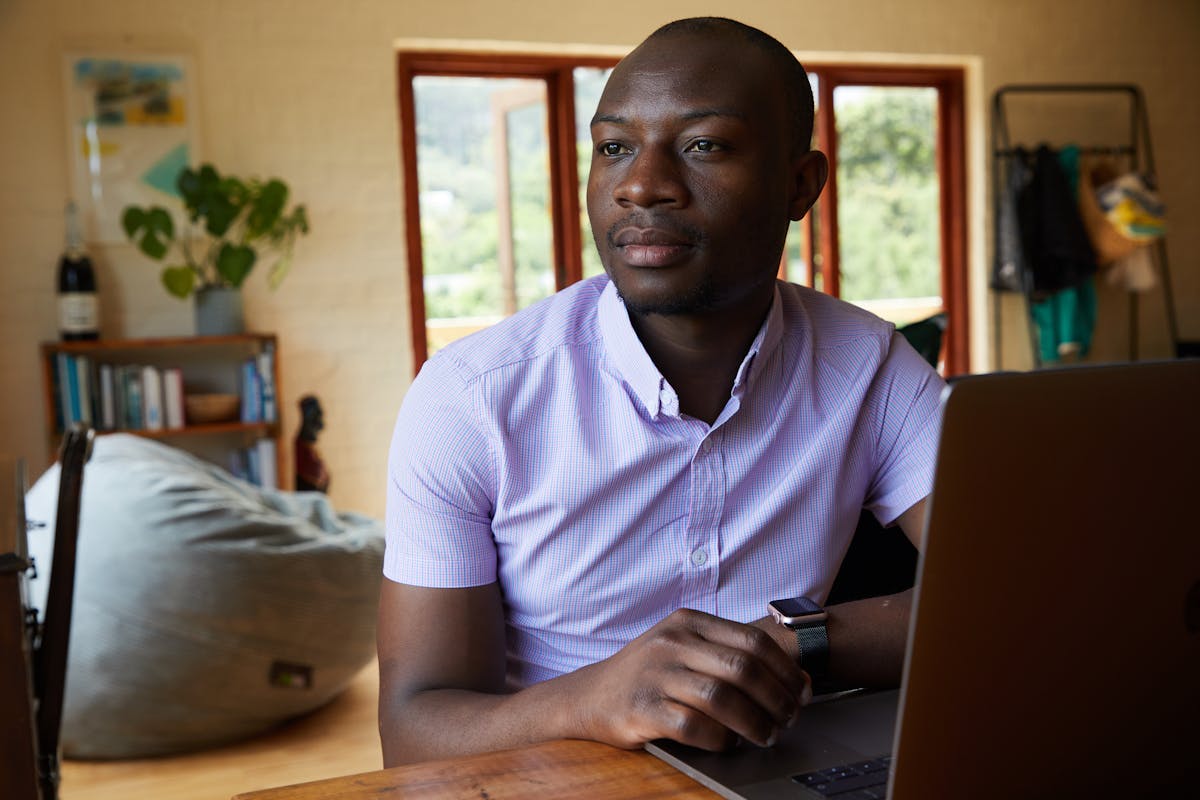
There's a reason why "Black Twitter" became a cultural phenomenon that transcended the platform itself. It wasn't just about tweets—it was about finding your people in a vast digital landscape. It was the cookout you could attend from your couch, the family reunion that happened every day, the unspoken understanding that came through a perfectly timed GIF or a thread that had everyone in their feelings.
Black digital spaces have always been more than just places to post content. They're living, breathing communities that serve as modern-day gathering places where culture is created, preserved, and celebrated.
A History of Finding Our Own
Long before social media, Black communities have always carved out spaces for themselves. From the Chitlin' Circuit that gave Black performers venues when mainstream America wouldn't, to Black-owned newspapers that told our stories when others wouldn't print them, to barbershops and beauty salons that served as community headquarters—we've always understood the power of spaces that center our experiences.
The digital era simply continued this tradition. When mainstream platforms emerged, Black users didn't just participate—they transformed them. We created trends, shaped language, and built communities within communities. But we were always guests in someone else's house, subject to their rules, their algorithms, and their priorities.
Why Dedicated Spaces Matter
Cultural Authenticity Without Code-Switching
In spaces built for us, by us, there's no need to explain the joke, add context to the reference, or worry about whether your authentic voice will be misunderstood. You can just be. That freedom is invaluable and increasingly rare in digital spaces designed for the "general audience."
Protection of Our Intellectual Property
How many times have we watched our slang, our dances, our cultural innovations get co-opted, repackaged, and sold back to the mainstream—without credit or compensation? Black digital spaces create environments where our contributions are recognized, valued, and protected.
Community Safety and Wellbeing
The mental toll of navigating predominantly white digital spaces is real. The constant microaggressions, the trolls, the having to defend your humanity in comment sections—it's exhausting. Spaces designed with Black users in mind prioritize our safety and peace of mind, not as an afterthought, but as a foundation.
Economic Empowerment
When Black creators build audiences in Black spaces, the economic benefits can stay within the community. We can support each other's businesses, amplify each other's voices, and create wealth that circulates through our communities rather than being extracted from them.
The Evolution From Black Twitter to What's Next
Black Twitter was revolutionary, but it was also borrowed territory. We built incredible community on a platform that didn't always have our best interests at heart. Algorithm changes could silence our voices overnight. Moderation decisions often felt arbitrary or biased. And when ownership changed, so did the environment we'd worked so hard to cultivate.
This isn't about abandoning the platforms where we've built community. It's about also having spaces that are truly ours—where the rules reflect our values, where moderation understands our context, and where the platform itself is invested in our success.
What Makes a Black Digital Space Successful
The best Black digital spaces share certain characteristics:
Rooted in Culture: They don't just tolerate Blackness—they celebrate it. The design, the features, the tone—everything reflects an understanding of who we are and what we need.
Community-Driven Moderation: They understand that context matters. A heated debate about natural hair care is different from actual harassment. Moderators who get it make all the difference.
Commitment to Safety: They take protecting the community seriously, with robust tools for blocking, reporting, and managing your experience.
Economic Opportunity: They create pathways for Black creators and entrepreneurs to thrive, not just participate.
Responsive Leadership: They listen to the community and evolve based on what users actually need.
Building the Future Together
The next chapter of Black digital spaces is being written right now. It's not about creating echo chambers or cutting ourselves off from the broader world. It's about having home bases—places where we can gather strength, celebrate our culture, and support each other before heading back out into the wider digital landscape.
These spaces are acts of self-determination. They're declarations that our communities matter enough to build for specifically. They're investments in our collective future.
The Invitation
Whether you're exhausted from code-switching on mainstream platforms, looking for community that truly gets you, or simply wanting to participate in building something meaningful for the Black community—there's never been a better time to invest in Black digital spaces.
The cookout is just getting started. Pull up a chair.
What does Black digital community mean to you? We'd love to hear your thoughts.